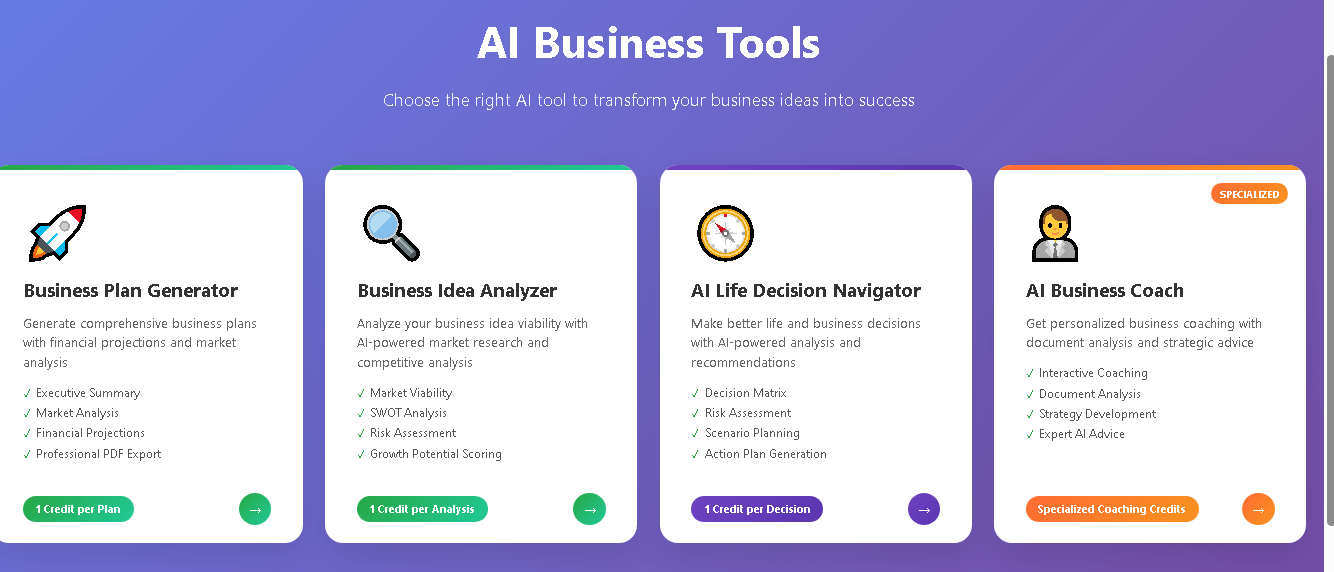
Coffee Cafe Business Plan Template | BizPlan AI Pro
Introduction: What Is a Coffee Cafe Business Plan Template?
Launching a coffee cafe is more than just serving a great cup of joe; it requires a strategic roadmap that aligns your brand vision, operational workflow, and financial goals. A coffee cafe business plan template provides that roadmap in a structured, easy‑to‑follow format, helping entrepreneurs articulate every critical element—from market analysis to menu design—so investors, lenders, and team members can quickly grasp the viability of the concept.
Unlike generic restaurant plans, a coffee cafe template zeroes in on the nuances of the specialty coffee market: bean sourcing, equipment selection, barista training, and the unique blend of retail and hospitality experiences that drive repeat traffic. By customizing this template, you can turn a simple idea into a compelling, data‑backed proposal that demonstrates you understand the challenges and opportunities specific to the coffee industry.
Key Sections: Breakdown of Essential Components Unique to a Coffee Cafe Business Plan
1. Executive Summary Tailored for Coffee Culture
- Concept statement: Describe the cafe’s vibe (e.g., “third‑wave artisanal espresso bar with coworking spaces”).
- Mission & vision: Highlight commitment to sustainability, local roasters, or community engagement.
- Value proposition: Explain why your coffee cafe will stand out—unique brewing methods, exclusive blends, or a signature pastry lineup.
2. Market Analysis Focused on Coffee Trends
Identify macro trends such as the rise of cold brew, plant‑based milks, and subscription coffee services. Use local demographic data to pinpoint neighborhoods with high foot traffic, office density, or university presence.
3. Menu & Operations Blueprint
The menu is the heart of any coffee cafe. This section should detail:
- Core beverage categories: Espresso‑based drinks, pour‑over, cold brew, nitro, and specialty teas.
- Food accompaniments: Pastries, breakfast bowls, and gluten‑free options that complement coffee.
- Ingredient sourcing: Direct trade relationships, fair‑trade certifications, and seasonal bean rotations.
- Standard operating procedures (SOPs): Barista workflow, equipment cleaning schedules, and quality control checkpoints.
4. Location & Layout Planning
Include a floor‑plan sketch that allocates space for:
- Customer seating (indoor, outdoor, communal tables).
- Barista stations (espresso machine, grinder, brewing stations).
- Storage (dry goods, refrigerated items, coffee beans).
- Back‑of‑house (prep area, dishwashing, staff break).
5. Equipment & Technology Inventory
List essential coffee equipment and any technology platforms that support operations:
| Equipment | Typical Cost (USD) | Key Features for a Coffee Cafe |
|---|---|---|
| Commercial Espresso Machine | $8,000 – $25,000 | Dual boiler, PID temperature control, 2‑group or 3‑group heads |
| Grinder (Barista‑grade) | $1,200 – $4,500 | Stepless adjustment, low retention, consistent particle size |
| Cold Brew System | $500 – $2,000 | Large capacity, insulated, easy cleaning |
| POS & Loyalty Software | $1,000 – $3,500 (setup) + $50‑$150/mo | Mobile ordering, rewards program, inventory tracking |
| Water Filtration Unit | $800 – $2,500 | Ensures consistent brew quality, protects equipment |
| Illustrative planning assumptions — not vendor quotes or forecasts. Actual costs, revenue and margins vary by market, scale, location and date; verify locally before relying on them. | ||
6. Staffing & Training Plan
Barista expertise directly influences product consistency. Outline recruitment sources (culinary schools, local coffee competitions) and a training curriculum that covers:
- Espresso extraction fundamentals.
- Milk texturing and latte art.
- Customer service etiquette for a fast‑casual environment.
- Health & safety compliance.
7. Financial Projections & Funding Strategy
Provide a 3‑year forecast that includes:
- Start‑up capital breakdown (lease, equipment, permits).
- Monthly operating expenses (rent, utilities, payroll, coffee beans).
- Revenue assumptions based on average ticket size and projected foot traffic.
8. Legal & Licensing Checklist for Coffee Cafes
Compliance is non‑negotiable. Include a table that outlines required permits, the issuing authority, and typical processing time.
| License / Permit | Issuing Authority | Typical Cost (USD) | Processing Time |
|---|---|---|---|
| Food Service Establishment Permit | County Health Department | Varies by authority | 2–4 weeks |
| Retail Food Store License | State Department of Agriculture | Varies by authority | 1–3 weeks |
| Sign Permit | City Planning Office | Varies by authority | 1–2 weeks |
| Alcohol License (if serving coffee‑based cocktails) | State Alcohol Beverage Control Board | Varies by authority | 4–12 weeks |
| Business Registration & EIN | Secretary of State / IRS | Varies by authority | Instant (online) |
| Permit and licence fees are set by the issuing authority and vary by city, state, country and business type. No universal fee applies — confirm current requirements and costs with the authority named. | |||
9. Risk Management & Contingency Planning
Identify industry‑specific risks such as bean price volatility, equipment downtime, and seasonal foot‑traffic fluctuations. Propose mitigation tactics like diversified bean contracts, preventative maintenance schedules, and a flexible staffing model.
How to Use & Customize Your Coffee Cafe Business Plan: Step‑by‑Step Guide with Industry‑Specific Tips
Step 1: Gather Local Market Intelligence
Start with a “coffee map” of your target area. Use tools like Google Trends, Yelp analytics, and municipal foot‑traffic studies to quantify:
- Number of existing coffee shops within a 1‑mile radius.
- Average price points and customer reviews.
- Demographic segments (students, remote workers, retirees).
Incorporate these findings into the Market Analysis section to demonstrate a data‑driven opportunity.
Step 2: Define Your Signature Offering
Choose one or two flagship drinks that embody your brand—perhaps a single‑origin pour‑over sourced from a local farm or a house‑made cold brew tonic. Detail the recipe, cost of goods sold (COGS), and expected margin in the Menu & Operations Blueprint.
Step 3: Populate the Financial Model with Realistic Assumptions
Use industry benchmarks for key metrics:
- Average ticket size: $5.50 – $7.00 for specialty coffee.
- Daily customer count: 80–150 in high‑traffic urban locations.
- Labor cost ratio: 25%–30% of gross sales.
Adjust these numbers based on your location’s rent level and operating hours. A well‑calibrated model builds credibility with lenders.
Step 4: Customize the Licensing Checklist for Your Jurisdiction
Research state‑specific food safety certifications (e.g., ServSafe) and any city ordinances regarding outdoor seating or sidewalk usage. Add these items to the Legal & Licensing Checklist, noting any additional fees or inspection dates.
Step 5: Draft an Operations Manual That Reflects Your Workflow
Map out a typical service flow:
- Customer orders via POS or mobile app.
- Barista pulls espresso, steams milk, and assembles the drink.
- Quality check (temperature, crema, presentation).
- Serve and collect feedback through a QR‑code survey.
Document each step in the SOPs section to ensure consistency as you scale.
Step 6: Choose Funding Sources Aligned with Coffee‑Industry Needs
Consider the following options and match them to your capital requirements:
| Funding Source | Typical Amount | Pros for Coffee Cafes | Cons |
|---|---|---|---|
| Small Business Administration (SBA) 7(a) Loan | Amounts vary by lender and borrower | Low interest, long repayment terms, supports equipment purchases. | Lengthy application process, collateral often required. |
| Micro‑loan Programs (e.g., Kiva, Accion) | Amounts vary by lender and borrower | Fast approval, ideal for lease deposits and initial inventory. | Higher interest rates than SBA. |
| Equity Crowdfunding (Kickstarter, Indiegogo) | Amounts vary by lender and borrower | Builds community buzz, pre‑sales of coffee subscriptions. | Requires marketing effort, platform fees. |
| Vendor Financing (Coffee Roasters) | Amounts vary by lender and borrower | Often includes training, deferred payment for beans. | May limit bean selection to specific roasters. |
| Illustrative only — funding amounts, rates and terms vary by lender, product, borrower profile, geography and date. This is not a quote or an offer; confirm current terms directly with the lender or program. | |||
Step 7: Review, Refine, and Pitch
Run the plan through a peer review—ideally a coffee industry consultant or a local chamber of commerce mentor. Incorporate feedback, tighten the executive summary, and prepare a slide deck that highlights:
- Market gap and target persona.
- Signature drinks and sustainability story.
- Projected ROI and break‑even timeline.
When presenting to investors, focus on metrics that matter to them: cash flow forecasts, unit economics, and scalability potential.
FAQs About Starting a Coffee Cafe Business and Writing Its Plan
What is the minimum amount of capital needed to open a small coffee cafe?
While costs vary by city, a typical boutique coffee shop (1,200–1,500 sq ft) requires $120,000–$250,000 for lease, equipment, permits, initial inventory, and working capital. A “pop‑up” or kiosk model can launch with as little as $30,000–$50,000.
How do I choose the right espresso machine for my budget?
Consider three factors:
- Volume needs: A 2‑group machine handles 60–80 drinks/hour; a 3‑group handles 90–120.
- Feature set: Dual boiler and PID temperature control improve consistency.
- Service network: Choose a brand with local technicians to minimize downtime.
For startups, a reputable refurbished unit can reduce upfront cost by 30% while still delivering professional quality.
Do I need a separate food handler’s license for selling pastries?
Yes. If you prepare or store baked goods on‑site, most jurisdictions require a Food Handler’s Permit in addition to the general Food Service Establishment Permit. If you outsource pastries to a licensed bakery, you may only need the standard permit, but you must keep a copy of the bakery’s license on file.
What are the most effective ways to build a loyal customer base?
Successful coffee cafes combine product quality with community engagement:
- Loyalty program: Offer a digital punch‑card (e.g., “Buy 9 drinks, get the 10th free”).
- Education events: Host cupping sessions, barista classes, or bean origin talks.
- Local partnerships: Collaborate with nearby co‑working spaces or art galleries for cross‑promotion.
- Consistent branding: Use uniform packaging, signage, and social media voice.
How can I protect my coffee cafe’s brand and recipes?
Consider the following legal steps:
- Register a trademark for your cafe name, logo, and any distinctive drink names.
- Use nondisclosure agreements (NDAs) with staff when sharing proprietary recipes.
- Document all standard operating procedures in a confidential operations manual.
Is it necessary to have a separate “Coffee Sourcing” section in the business plan?
Absolutely. Coffee sourcing directly impacts cost of goods, quality perception, and sustainability claims—key differentiators for specialty cafes. Detail your supplier relationships, price per pound, expected yield, and any certifications (e.g., Fair Trade, Organic). Investors often scrutinize this section to gauge risk exposure to commodity price swings.
What are the common pitfalls that cause coffee cafes to fail within the first year?
Based on industry data, the top three reasons are:
- Underestimating operating costs: Rent and labor often exceed projections.
- Inconsistent product quality: Lack of barista training leads to variable taste.
- Poor location selection: Low foot traffic or mismatched neighborhood demographics.
Mitigate these risks by conducting thorough financial modeling, investing in comprehensive staff training, and performing a location feasibility study before signing a lease.
Frequently Asked Questions
What is a coffee cafe business plan template?
It’s a pre‑structured document that guides you through outlining your cafe’s concept, market analysis, operations, menu, and financial projections.
Why do I need a coffee cafe business plan?
It clarifies your vision, helps you make informed decisions, and demonstrates credibility to investors, lenders, and partners.
What key sections should be included in the template?
Executive summary, market analysis, competitive overview, location and layout, menu design, staffing plan, marketing strategy, and financial forecasts.
How can the template help secure financing?
By presenting clear, data‑driven financial projections and a solid operational plan, it reassures lenders and investors of your cafe’s profitability.
How often should I update my coffee cafe business plan?
Review and revise it at least annually or whenever you introduce major changes such as new locations, menu items, or financing needs.