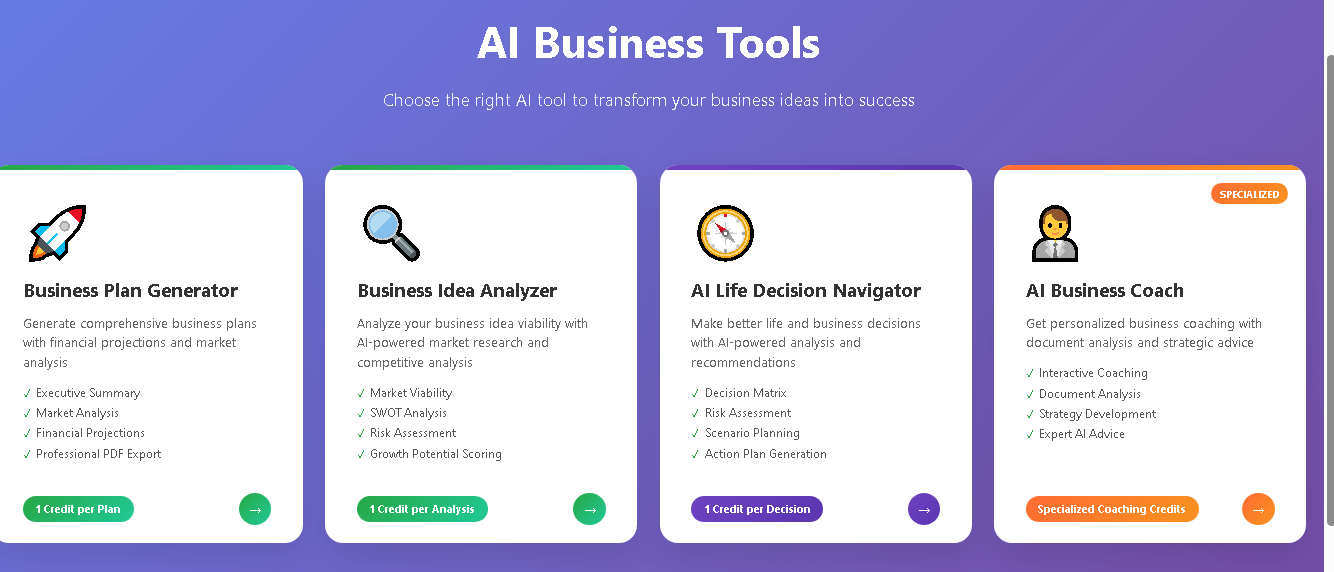
Cake Shop Business Plan Template | BizPlan AI Pro
Introduction: What Is a Cake Shop Business Plan Template?
Starting a Cake Shop is more than just having a passion for baking; it requires a clear, actionable roadmap that outlines how you will turn your culinary dreams into a profitable reality. A Cake Shop business plan template is a pre‑structured document that guides you through every critical element of launching and scaling a bakery focused on cakes, cupcakes, and specialty desserts. By using a template, you avoid the guesswork of what to include, ensure that you cover industry‑specific challenges, and present a professional case to lenders, investors, or partners.
Unlike generic restaurant plans, a Cake Shop plan dives deep into product development, seasonal flavor cycles, custom design workflows, and the unique supply chain for premium ingredients such as specialty chocolate, fondant, and edible decorations. It also addresses the visual branding that makes a cake shop stand out on social media platforms like Instagram and TikTok, where visual appeal drives foot traffic and online orders.
Key Sections: Breakdown of Essential Components Unique to a Cake Shop Business Plan
1. Executive Summary Tailored for a Cake Shop
The executive summary should capture the essence of your bakery in a compelling paragraph. Highlight the concept (e.g., “artisan cake boutique specializing in vegan and gluten‑free celebrations”), target market, location advantage, and projected financial milestones. Because investors often skim this section first, embed keywords such as “custom cake design,” “seasonal menu,” and “high‑margin specialty desserts.”
2. Market Analysis Focused on Cake Consumers
Conduct a deep dive into local demographics, wedding and event trends, and the rise of “Instagram‑worthy” desserts. Include data on:
- Population age groups that celebrate birthdays, graduations, and weddings.
- Competitor mapping of nearby bakeries, supermarkets, and online cake delivery services.
- Consumer preferences for dietary‑specific cakes (vegan, keto, allergen‑free).
- Seasonal demand spikes around holidays, prom season, and corporate events.
Use this analysis to justify your pricing strategy and product differentiation.
3. Menu & Operations – The Heartbeat of a Cake Shop
Unlike a full‑service restaurant, a cake shop’s menu is a curated collection of tiered products. Detail each category:
| Menu Category | Key Offerings | Pricing Range (USD) | Profit Margin % |
|---|---|---|---|
| Signature Cakes | Classic vanilla, chocolate ganache, red velvet, seasonal fruit | 30‑120 | 55‑70 |
| Custom Wedding Cakes | Tiered fondant, buttercream, themed designs | 200‑1,500 | 45‑60 |
| Mini Desserts & Cupcakes | Assorted flavors, gluten‑free options | 2.5‑5 each | 65‑80 |
| Dietary‑Specific Lines | Vegan, keto, sugar‑free, allergen‑free | 35‑90 | 50‑65 |
| Seasonal & Limited‑Edition | Pumpkin spice, peppermint bark, tropical fruit | 40‑110 | 60‑75 |
Explain production flow: ingredient sourcing, batch preparation, decoration stations, quality control, and order fulfillment (in‑store pickup, local delivery, or third‑party logistics). Highlight equipment needs such as floor mixers, temperature‑controlled storage, and high‑resolution cameras for product photography.
4. Marketing & Sales Strategy for a Visual‑First Business
Because cakes sell themselves visually, your marketing plan must prioritize:
- Social Media Content Calendar: Daily Instagram posts, weekly TikTok tutorials, and monthly “behind‑the‑scenes” stories.
- SEO‑Optimized Website: Keyword‑rich pages for “custom wedding cake [city],” “vegan birthday cake delivery,” and “same‑day cake pickup.”
- Partnerships: Collaboration with local event planners, wedding venues, and photographers.
- Loyalty Programs: Points for repeat orders, referral discounts, and birthday club offers.
- Seasonal Promotions: Early‑bird discounts for holiday orders and limited‑time flavor drops.
Include a sales forecast table that breaks down revenue by channel (in‑store, online, wholesale to cafés).
5. Management Team and Staffing Blueprint
Outline roles specific to a cake shop:
- Head Pastry Chef: Recipe development, quality assurance.
- Decorative Artist / Cake Designer: Custom design, client consultations.
- Production Bakers: Mixing, baking, and inventory control.
- Front‑of‑House & Sales Associate: Customer service, order taking, upselling.
- Digital Marketing Coordinator: Social media, website SEO, email campaigns.
Provide a staffing schedule that aligns peak production times (e.g., wedding season) with labor hours to control payroll costs.
6. Financial Projections and Funding Options
Financial planning for a Cake Shop must address high upfront equipment costs, ingredient inventory turnover, and the need for working capital during seasonal lulls. Use the table below to compare common funding sources and their suitability for a bakery startup.
| Funding Source | Typical Range (USD) | Interest Rate / Terms | Pros for Cake Shop | Cons |
|---|---|---|---|---|
| Small Business Administration (SBA) 7(a) Loan | 50,000‑500,000 | Rates vary by lender, product and borrower profile | Low rates, long repayment, can cover equipment | Lengthy approval, collateral required |
| Microloan (Kiva, Accion) | 5,000‑50,000 | Rates vary by lender, product and borrower profile | Fast funding, ideal for initial inventory | Small amounts, higher scrutiny on cash flow |
| Equipment Financing | 10,000‑150,000 | Rates vary by lender, product and borrower profile | Secured by equipment, preserves cash | Asset lien, may limit flexibility |
| Angel Investor / Equity Partner | 25,000‑250,000 | Rates vary by lender, product and borrower profile | Mentorship, industry connections | Dilutes ownership, profit sharing |
| Crowdfunding (Kickstarter, Indiegogo) | 5,000‑100,000 | Reward‑based, no interest | Validates market, builds community | All‑or‑nothing model, fulfillment obligations |
| Illustrative only — funding amounts, rates and terms vary by lender, product, borrower profile, geography and date. This is not a quote or an offer; confirm current terms directly with the lender or program. | ||||
Include a five‑year profit‑and‑loss projection that reflects:
- Cost of goods sold (COGS) – ingredient cost per cake tier.
- Labor expense – hourly wages plus payroll taxes.
- Rent & utilities – importance of a storefront with high foot traffic.
- Marketing budget – allocation of 8‑12% of projected revenue.
- Depreciation of ovens, mixers, and refrigeration units.
7. Legal & Licensing Requirements Specific to Cake Shops
Compliance is non‑negotiable. The following table outlines the primary permits and licenses you’ll need in most U.S. jurisdictions, along with typical costs and renewal frequencies.
| License / Permit | Issuing Authority | Typical Cost (USD) | Renewal Frequency | Key Compliance Notes |
|---|---|---|---|---|
| Food Establishment Permit | County Health Department | 150‑500 | Annually | Must pass health inspection; separate kitchen & display areas. |
| Retail Food Store License | State Department of Agriculture | 100‑300 | Every 2 years | Applies to storefronts selling directly to consumers. |
| Seller’s Permit / Sales Tax License | State Revenue Agency | Free‑50 | Renewal varies by state | Collect and remit sales tax on all taxable cake sales. |
| Allergen Disclosure Certification | Local Health Agency | 50‑100 | Annually | Mandatory labeling for nuts, dairy, gluten, etc. |
| Business Entity Registration (LLC, Corp) | Secretary of State | 100‑400 | Every 1‑2 years | Provides liability protection; essential for insurance. |
| Sign Permit | City Planning Department | 30‑150 | Varies | Controls size, lighting, and placement of storefront signage. |
Don’t forget to obtain product liability insurance, workers’ compensation, and, if you plan to sell alcohol‑infused cakes, a liquor license.
8. Risk Management and Contingency Planning
Identify industry‑specific risks such as ingredient price volatility (e.g., cocoa futures), equipment breakdown, and seasonal demand fluctuations. Develop mitigation tactics:
- Maintain a 10‑15% safety stock of core ingredients.
- Enter service contracts with equipment vendors for rapid repairs.
- Create a “slow‑season” product line (e.g., gourmet coffee cake bundles) to sustain cash flow.
- Secure a line of credit for unexpected cash‑flow gaps.
How to Use & Customize Your Cake Shop Business Plan: Step‑by‑Step Guide with Industry‑Specific Tips
Step 1 – Gather Market Intelligence
Visit local bakeries, attend wedding expos, and analyze online cake‑ordering platforms. Record pricing, décor trends, and delivery options. Use this data to fill the “Market Analysis” and “Competitive Landscape” sections of your template.
Step 2 – Define Your Unique Value Proposition (UVP)
Ask yourself: What will make customers choose your cake shop over a supermarket bakery? Possible UVPs include “hand‑crafted vegan cakes with edible flower décor,” “same‑day custom wedding tiers,” or “interactive cake‑design workshops.” Embed the UVP in the executive summary and marketing strategy.
Step 3 – Populate the Menu & Operations Section
Start with a core menu of 5‑7 signature cakes, then layer in seasonal and custom options. For each item, calculate:
- Ingredient cost per unit.
- Labor minutes required for baking, frosting, and decorating.
- Packaging and delivery expenses.
Enter these figures into a simple spreadsheet; the template will automatically generate COGS percentages and gross margin forecasts.
Step 4 – Build Financial Projections Using Realistic Assumptions
Key assumptions for a cake shop include:
- Average order value (AOV) of $45 for retail customers.
- Custom wedding cake average ticket of $850.
- Monthly foot traffic of 300 customers in year 1, growing 10% annually.
- Ingredient cost inflation of 3‑4% per year.
Plug these numbers into the “Financial Model” sheets of the template. Generate a cash‑flow statement, break‑even analysis, and a three‑scenario sensitivity table (base, optimistic, pessimistic).
Step 5 – Draft Legal & Licensing Checklist
Copy the licensing table above into a separate appendix. Mark each item as “Completed,” “In‑Progress,” or “Pending.” This visual tracker helps you stay compliant before the grand opening.
Step 6 – Tailor the Marketing Plan to Your Community
Identify three hyper‑local channels:
- Neighborhood Facebook groups for birthday announcements.
- Collaboration with a nearby bridal boutique for cross‑promotion.
- Monthly “Cake‑of‑the‑Month” tasting events at the shop.
Assign measurable KPIs (e.g., 200 new Instagram followers per month, 15% conversion from tasting event attendees to orders).
Step 7 – Review, Refine, and Seek Feedback
Share the draft with a mentor who has food‑service experience, a local accountant familiar with bakery tax codes, and a potential investor. Incorporate their feedback, especially on cost assumptions and risk mitigation.
Step 8 – Finalize and Use the Plan as a Living Document
Print a polished PDF for investors, but keep an editable digital version for ongoing updates. Revisit the plan quarterly to adjust forecasts, add new product lines, or reflect changes in local regulations.
FAQs About Starting a Cake Shop Business and Writing Its Plan
- What initial capital is typically required to open a small‑scale cake shop?
A: Most boutique cake shops launch with $80,000‑$150,000, covering lease, equipment ($30k‑$50k), initial inventory, licensing, and a three‑month operating buffer. - Do I need a separate kitchen permit if I bake in the same space as the retail storefront?
A: Yes. Health departments usually require a distinct food‑preparation area that meets ventilation, temperature, and sanitation standards, even if it shares the same building. - How can I price custom wedding cakes profitably?
A: Use a tiered pricing model: base price per tier (covers labor and ingredients) + design surcharge (complexity, specialty décor) + travel & setup fee. Aim for a minimum 45% gross margin on custom orders. - Is it worth offering delivery through third‑party platforms?
A: Third‑party delivery expands reach but adds 25‑30% commission. Consider it for high‑volume periods or when you lack a dedicated delivery fleet. Negotiate flat‑rate contracts where possible. - What insurance coverage is essential for a cake shop?
A: Product liability (minimum $1M), general commercial liability, property coverage for equipment, workers’ compensation, and optional business interruption insurance. - Can I start a cake shop from home and later move to a storefront?
A: Home‑based bakeries are allowed in many jurisdictions under cottage‑food laws, but they have sales caps (often $50,000‑$100,000 annually) and limited signage. Use a home operation as a proof‑of‑concept before scaling. - How do I handle allergen labeling?
A: Maintain a master ingredient list with allergen flags. Provide printed labels for each cake sold, and train staff to verbally disclose allergens upon request. - What are the best ways to reduce ingredient waste?
A: Implement a “first‑in‑first‑out” inventory system, forecast weekly production based on pre‑orders, and repurpose surplus baked goods into cake pops, truffles, or day‑old “stale‑cake” desserts sold at a discount. - How often should I refresh my menu?
A: Introduce a seasonal special every quarter, rotate limited‑edition flavors every 2‑3 months, and keep core staples year‑round to maintain both excitement and operational stability. - What metrics should I track daily to ensure profitability?
A: Daily sales vs. target, average order value, COGS percentage, labor hours per order, and inventory turnover for high‑cost items like premium chocolate.
Frequently Asked Questions
What key sections should be included in a Cake Shop business plan template?
A comprehensive template should cover executive summary, market analysis, products & services, marketing strategy, operations plan, management team, financial projections, and funding requirements.
How detailed should the financial projections be for a new cake shop?
Include at least three years of projected income statements, cash flow statements, and balance sheets, plus break‑even analysis and assumptions behind sales forecasts.
Why is market analysis important for a cake shop startup?
It identifies target customers, local competition, pricing trends, and demand for niche products, helping you position your shop for profitability.
What marketing strategies are most effective for a cake shop?
Leverage social media visuals, local SEO, collaborations with event planners, sampling events, and loyalty programs to attract and retain customers.
How can a cake shop plan for scaling its operations?
Outline steps for expanding product lines, hiring skilled bakers, investing in equipment, and establishing wholesale or delivery channels in the growth section of the plan.